Synthesis and Modification of Cordycepin-Phosphoramidate ProTide Derivatives for Antiviral Activity and Metabolic Stability
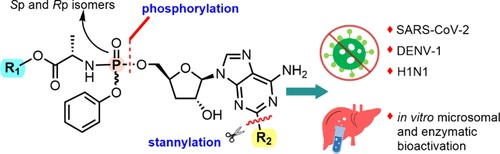
Cordycepin is a natural compound with antiviral potential, but it is rapidly broken down in the body, limiting its effectiveness. This study applied ProTide (prodrug) technology to improve both the stability and antiviral activity of cordycepin. We synthesized 17 modified compounds and evaluated their activity against coronavirus, influenza, and dengue viruses, along with their metabolic stability using enzyme-based laboratory tests. Some derivatives showed moderate activity against coronavirus and influenza, while several compounds demonstrated promising effects against dengue virus. Notably, one molecular form, known as the Sp isomer, generally showed slightly higher antiviral activity than its Rp counterpart. In addition, introducing a fluorine atom helped extend the compound’s half-life, allowing it to remain active longer in the body. By successfully engineering cordycepin into ProTides, scientists created more stable, powerful versions capable of fighting dengue, flu, and coronaviruses, opening a new pathway for drug development.